Description
Lovegra 100mg – Uses, Dosage, Benefits & Safety Guide
Medically Reviewed by: Dr. Stephen Hugill
Last Reviewed: June 2026
Reading Time: Approximately 10–12 Minutes
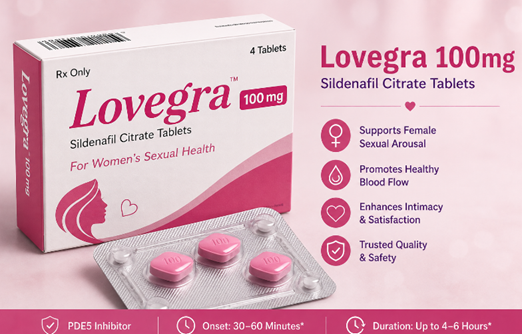
Quick Facts About Lovegra 100mg
| Feature | Information |
| Generic Name | Sildenafil Citrate |
| Brand | Lovegra 100mg |
| Drug Class | Phosphodiesterase Type-5 (PDE5) Inhibitor |
| Commonly Discussed For | Female Sexual Health* |
| Typical Strength | 100 mg Sildenafil Citrate |
| Form | Oral Tablet |
| Approximate Onset | Around 30–60 minutes* |
| Typical Duration | Up to 4–6 hours* |
| Prescription Advice | Use only under the guidance of a qualified healthcare professional |
*The response to sildenafil varies between individuals and depends on overall health, metabolism, food intake, and other personal factors.
Introduction
Sexual wellbeing is an important aspect of overall health and quality of life, yet concerns about female sexual function are often less openly discussed than those affecting men. Many women experience changes in sexual desire, arousal, or satisfaction at different stages of life due to physical, emotional, hormonal, or relationship-related factors.
Among the products discussed online, Lovegra 100mg is frequently described as a sildenafil citrate-based medicine intended for women. Because information available on the internet is often inconsistent, many people seek reliable guidance about how sildenafil works, what current medical research suggests, and whether it may be appropriate in specific situations.
It is important to understand that female sexual dysfunction (FSD) is a complex condition. Unlike male erectile dysfunction, female sexual concerns can involve several different aspects of sexual response, including desire, arousal, lubrication, orgasm, and pain during intercourse. There is rarely a single cause or a single treatment that works for everyone.
Current scientific research has explored sildenafil in selected groups of women, particularly where reduced genital blood flow may contribute to arousal difficulties. However, study findings have been mixed, and sildenafil is not approved in many countries, including the UK, for the routine treatment of female sexual dysfunction. For this reason, any decision about using sildenafil should always be made in consultation with a qualified healthcare professional.
At CareKamagra, our aim is to provide balanced, evidence-informed educational information rather than promotional claims. This guide explains what Lovegra 100mg is, how sildenafil works, what current research says, possible benefits, potential side effects, safety considerations, and the importance of seeking professional medical advice before considering any treatment.
What You’ll Learn in This Guide
This comprehensive guide explains:
- What Lovegra 100mg is.
- How sildenafil works within the body.
- Current medical understanding of female sexual dysfunction.
- What research says about sildenafil in women.
- Factors that influence female sexual health.
- Possible benefits and limitations.
- Dosage guidance.
- Possible side effects and precautions.
- Drug interactions.
- Frequently asked questions.
- When professional medical advice should be sought.
What Is Lovegra 100mg?
Lovegra 100mg is a sildenafil citrate-based oral tablet that is commonly discussed in relation to female sexual health.
Sildenafil belongs to a class of medicines known as phosphodiesterase type-5 (PDE5) inhibitors. These medicines work by relaxing certain blood vessels and improving blood flow to specific tissues.
In men, sildenafil is widely used for erectile dysfunction. In women, however, research is more complex. Scientists have investigated whether improved genital blood flow might help some women experiencing certain forms of sexual arousal difficulty, but the evidence has not consistently shown benefit across all patient groups.
As a result, sildenafil should not be viewed as a general treatment for low libido or reduced sexual desire. Female sexual health involves physical, emotional, hormonal, psychological, and relationship-related factors that often require a broader assessment than medication alone.
How Does Sildenafil Work?
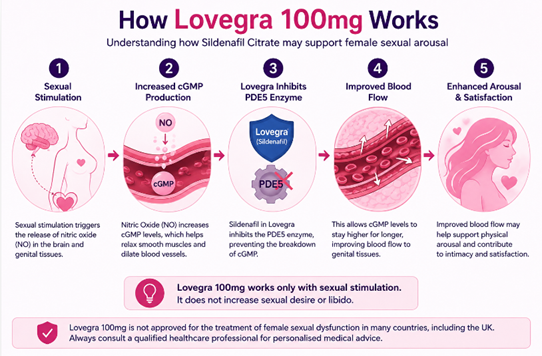
Sildenafil temporarily blocks an enzyme called phosphodiesterase type-5 (PDE5).
During sexual stimulation, the body naturally produces nitric oxide, which increases levels of a substance called cyclic guanosine monophosphate (cGMP). This process relaxes smooth muscle and allows blood vessels to widen, improving blood flow.
By slowing the breakdown of cGMP, sildenafil helps maintain this blood vessel relaxation for longer.
Researchers have explored whether this mechanism may increase blood flow to genital tissues in women. While this biological effect is understood, whether it translates into meaningful improvements in female sexual function depends on the underlying cause of the symptoms and varies between individuals.
Importantly, sildenafil does not increase sexual desire or emotional attraction, and sexual stimulation remains necessary for any physiological response.
Understanding Female Sexual Dysfunction
Female sexual dysfunction is not a single condition but a group of concerns that may affect one or more stages of the sexual response cycle.
Examples include:
- Reduced sexual desire.
- Difficulty becoming sexually aroused.
- Reduced vaginal lubrication.
- Difficulty reaching orgasm.
- Pain or discomfort during sexual activity.
These concerns may occur occasionally or persist over time. Some women experience more than one issue simultaneously.
The causes are often multifactorial and may include:
Physical Factors
- Diabetes.
- Cardiovascular disease.
- Hormonal changes.
- Menopause.
- Certain medications.
- Neurological conditions.
Psychological Factors
- Stress.
- Anxiety.
- Depression.
- Previous traumatic experiences.
- Low self-esteem.
Relationship Factors
- Communication difficulties.
- Emotional distance.
- Relationship conflict.
- Reduced intimacy.
Because these factors frequently overlap, treatment often involves more than medication alone.
Who May Consider Discussing Lovegra with a Healthcare Professional?
Some women may wish to discuss Lovegra or other treatment options with a qualified healthcare professional if they experience:
- Persistent difficulty becoming sexually aroused.
- Ongoing sexual concerns affecting quality of life.
- Changes in sexual function after menopause.
- Sexual difficulties associated with certain medical conditions.
- Questions about available treatment options.
Professional assessment helps identify whether symptoms may relate to hormonal changes, medication side effects, underlying health conditions, psychological factors, or relationship concerns.
Why a Medical Assessment Matters
Changes in sexual function can sometimes indicate underlying health conditions that deserve attention.
Healthcare professionals may evaluate:
- Hormonal health.
- Cardiovascular risk factors.
- Diabetes.
- Mental wellbeing.
- Medication history.
- Lifestyle habits.
- Relationship concerns.
A thorough assessment allows treatment to be tailored to the individual’s needs rather than focusing solely on symptoms.
For many women, improving sexual wellbeing involves a combination of medical advice, healthy lifestyle choices, emotional support, and, where appropriate, evidence-based treatment options.
What Does Current Medical Research Say About Sildenafil in Women?
Researchers have studied sildenafil citrate in women for more than two decades to better understand whether improving genital blood flow may benefit certain types of female sexual dysfunction (FSD).
Unlike erectile dysfunction in men, female sexual dysfunction is a multifaceted condition that may involve sexual desire, arousal, lubrication, orgasm, pain during intercourse, emotional wellbeing, hormonal influences, and relationship factors. Because of this complexity, researchers have found that no single treatment is appropriate for every woman.
Several clinical studies have explored sildenafil in women experiencing sexual arousal difficulties, particularly where reduced genital blood flow was believed to contribute to symptoms. Some studies reported improvements in physiological arousal, while others found limited or inconsistent benefit.
Current medical guidance generally concludes that sildenafil is not routinely recommended as a standard treatment for female sexual dysfunction in many countries, including the UK. However, healthcare professionals may occasionally consider it in selected situations after a careful medical assessment and discussion of potential benefits and risks.
These findings highlight an important point: female sexual health should be approached individually rather than assuming one medicine will suit everyone. Treatment decisions often involve considering physical health, hormonal status, emotional wellbeing, relationship dynamics, and personal preferences.
Potential Benefits of Lovegra 100mg
When healthcare professionals discuss sildenafil with women, the focus is usually on its effect on blood flow rather than on increasing sexual desire.
Potential benefits may include:
Supporting Genital Blood Flow
Sildenafil works by relaxing certain blood vessels and may increase blood flow to genital tissues during sexual stimulation. Improved circulation has been investigated as one possible way of supporting sexual arousal in selected women.
Improved Physical Arousal in Some Individuals
Some women participating in clinical studies have reported improvements in physical aspects of sexual arousal, such as increased genital sensitivity or lubrication. However, responses vary considerably, and similar improvements are not experienced by everyone.
Better Understanding of Sexual Health
For many women, seeking information about medicines such as Lovegra encourages wider discussions about sexual wellbeing, hormonal health, lifestyle, and emotional factors. This broader understanding may contribute to more informed healthcare decisions.
Encouraging Medical Consultation
Persistent changes in sexual function deserve professional assessment. Discussing treatment options with a healthcare professional may help identify underlying conditions such as hormonal imbalance, diabetes, cardiovascular disease, medication side effects, or psychological concerns that require attention.
Factors That Influence Female Sexual Health
Female sexual wellbeing is influenced by far more than blood flow alone.
Healthcare professionals recognize that several biological, psychological, and social factors interact to shape sexual function.
Hormonal Changes
Changes in oestrogen and testosterone levels may influence sexual desire, vaginal lubrication, and comfort during intimacy. Hormonal fluctuations may occur during menopause, after childbirth, or as part of certain medical conditions.
Emotional Wellbeing
Stress, anxiety, depression, and emotional fatigue can all reduce sexual interest and make arousal more difficult. Mental health plays an important role in overall sexual wellbeing.
Relationship Quality
Open communication, emotional closeness, and mutual trust are often closely linked with sexual satisfaction. Relationship difficulties may contribute to reduced intimacy even when no underlying physical condition exists.
Chronic Medical Conditions
Health conditions such as diabetes, cardiovascular disease, neurological disorders, thyroid disease, and chronic pain may affect sexual function directly or indirectly.
Medication Side Effects
Certain antidepressants, blood pressure medicines, hormonal therapies, and other prescription medicines may influence sexual desire or arousal. Never stop taking prescribed medication without consulting your healthcare professional.
Lifestyle Habits
Smoking, excessive alcohol consumption, physical inactivity, obesity, and poor sleep quality may all influence overall health and sexual wellbeing.
Lifestyle Habits That Support Sexual Wellbeing
Medication is only one aspect of sexual health. Many healthcare professionals recommend lifestyle changes that support overall wellbeing and may contribute to improved sexual function.
Regular Physical Activity
Exercise supports cardiovascular health, improves circulation, boosts mood, and may enhance energy levels. These benefits can contribute positively to sexual wellbeing.
Eat a Balanced Diet
A diet rich in fruits, vegetables, whole grains, lean proteins, and healthy fats supports general health and healthy blood vessel function.
Maintain a Healthy Weight
Maintaining a healthy body weight may reduce the risk of conditions associated with sexual dysfunction, including diabetes and cardiovascular disease.
Prioritize Sleep
Poor sleep may influence hormone regulation, mood, and energy levels. Consistently good-quality sleep supports overall health.
Reduce Stress
Mindfulness, counselling, yoga, relaxation techniques, and regular physical activity may help reduce stress and anxiety that can affect intimacy.
Avoid Smoking
Smoking damages blood vessels and reduces circulation throughout the body. Stopping smoking benefits both cardiovascular and sexual health.
Moderate Alcohol Intake
Excessive alcohol consumption may impair sexual function and increase the likelihood of medication side effects.
Common Misconceptions About Lovegra
Because there is a great deal of information online, several myths have developed around sildenafil use in women.
“Lovegra increases sexual desire.”
Not necessarily. Sildenafil affects blood flow rather than emotional attraction or libido. Sexual desire is influenced by many physical and psychological factors.
“It works for every woman.”
No. Responses vary depending on the underlying cause of sexual difficulties, general health, hormone levels, and emotional wellbeing.
“It works instantly.”
Like other sildenafil-based medicines, Lovegra requires time to be absorbed. Individual response times vary depending on metabolism, meal timing, and other personal factors.
“Medication alone solves female sexual problems.”
Sexual wellbeing often involves hormonal health, emotional wellbeing, relationship factors, and overall physical health. Medication, where appropriate, is usually only one part of a broader management plan.
General Dosage Guidance
The appropriate dosage of Lovegra should always be determined by a qualified healthcare professional based on an individual’s medical history, current medications, and overall health.
General educational guidance includes:
- Take the medicine only as advised by your healthcare professional.
- Swallow the tablet with water.
- Avoid exceeding the recommended dosage or frequency of use.
- A heavy or high-fat meal may delay absorption.
- Discuss all current medications and supplements before use to reduce the risk of interactions.
If the medicine does not appear to provide the expected effect, avoid increasing the dose without professional advice. Instead, speak with a healthcare professional, who can assess whether further evaluation or an alternative treatment approach may be appropriate.
Possible Side Effects of Lovegra 100mg
Like all medicines, Lovegra 100mg may cause side effects in some individuals. Many people tolerate sildenafil without significant problems, while others may experience mild, temporary symptoms that usually resolve as the medicine leaves the body.
The likelihood of side effects depends on several factors, including age, general health, existing medical conditions, other medicines being taken, and individual sensitivity to sildenafil.
Being aware of potential side effects allows users to recognize when symptoms are expected and when medical attention may be required.
Common Side Effects
The most frequently reported side effects associated with sildenafil include:
- Headache
- Facial flushing
- Nasal congestion
- Mild dizziness
- Indigestion or stomach discomfort
- Nausea
- Temporary changes in vision, such as blurred vision or increased sensitivity to light
- Feeling warm or flushed
These effects are generally mild and temporary. If they persist or become bothersome, medical advice should be sought before taking another dose.
Less Common Side Effects
Some individuals may occasionally experience:
- Dry mouth
- Muscle aches
- Back pain
- Skin rash
- Increased heart rate
- Mild palpitations
- Ringing in the ears (tinnitus)
Although uncommon, these symptoms should be discussed with a healthcare professional if they continue or worsen.
Serious Side Effects Requiring Immediate Medical Attention
Serious reactions are rare but require urgent medical care.
Seek immediate medical attention if you experience:
- Chest pain during or after sexual activity
- Sudden loss of vision in one or both eyes
- Sudden hearing loss
- Severe allergic reactions, including swelling of the face, lips, tongue, or throat
- Difficulty breathing
- Fainting or loss of consciousness
- Severe dizziness that does not improve
Prompt medical assessment helps reduce the risk of complications.
Who Should Not Use Lovegra 100mg?
Lovegra is not suitable for everyone.
A healthcare professional should assess whether sildenafil is appropriate before treatment begins.
Lovegra may not be suitable for individuals who:
- Have a known allergy to sildenafil or any of the tablet’s ingredients.
- Are taking nitrate medicines for angina or other heart conditions.
- Have severe heart disease or have been advised to avoid sexual activity for medical reasons.
- Have recently experienced a heart attack or stroke.
- Have severe liver disease.
- Have uncontrolled low blood pressure.
- Have certain inherited eye conditions affecting the retina.
Women who are pregnant, planning pregnancy, or breastfeeding should only use sildenafil if specifically advised by a qualified healthcare professional.
Important Precautions Before Taking Lovegra
Before considering Lovegra, discuss your complete medical history with a healthcare professional.
Particular care is required if you have:
- Diabetes
- Cardiovascular disease
- Kidney disease
- Liver impairment
- High or low blood pressure
- Bleeding disorders
- Stomach ulcers
- Eye disorders
- Neurological conditions
Providing a full medical history helps your healthcare professional determine whether sildenafil is an appropriate option.
Medicines That May Interact with Lovegra
Certain medicines can alter how sildenafil works or increase the likelihood of side effects.
Always inform your healthcare professional about every medicine, supplement, or herbal product you are taking.
Nitrate Medicines
Nitrate-containing medicines used to treat chest pain must never be combined with sildenafil because they can cause a dangerous drop in blood pressure.
Alpha-Blockers
Medicines used for high blood pressure or urinary symptoms may increase the risk of dizziness or low blood pressure when taken alongside sildenafil.
Certain Blood Pressure Medicines
Some antihypertensive medicines may require careful monitoring if sildenafil is prescribed.
Antifungal Medicines
Medicines such as ketoconazole or itraconazole may increase sildenafil levels in the bloodstream by slowing its breakdown.
Certain Antibiotics
Some antibiotics can affect how sildenafil is metabolized, potentially altering its effectiveness or side-effect profile.
HIV and Antiviral Medicines
Certain antiviral medicines may increase blood concentrations of sildenafil and require dose adjustment under medical supervision.
Herbal Supplements
Some herbal products marketed for sexual enhancement may contain ingredients that interact with sildenafil or have not been adequately studied for safety.
Always discuss supplements with your healthcare professional before combining them with any prescription medicine.
Food and Alcohol Considerations
Food and alcohol can influence how Lovegra works.
Understanding these factors may help users achieve more predictable results while reducing unwanted side effects.
High-Fat Meals
A large or high-fat meal may delay the absorption of sildenafil, meaning the medicine may take longer to begin working.
Some individuals find that taking the medicine after a lighter meal results in a quicker onset, although individual experiences vary.
Alcohol
Drinking excessive amounts of alcohol may:
- Reduce sexual responsiveness.
- Increase dizziness.
- Increase the likelihood of low blood pressure.
- Make side effects more noticeable.
Limiting alcohol intake is generally recommended when using sildenafil-based medicines.
Pregnancy and Breastfeeding
The safety of sildenafil during pregnancy or breastfeeding depends on the medical circumstances involved.
Lovegra should not be used during pregnancy or while breastfeeding unless specifically recommended by a qualified healthcare professional after assessing the potential benefits and risks.
Women who think they may be pregnant should seek medical advice before taking any sildenafil-containing medicine.
Storage and Handling
To maintain product quality:
- Store in a cool, dry place below the temperature stated on the packaging.
- Keep tablets in their original packaging until use.
- Protect from moisture, heat, and direct sunlight.
- Keep out of the reach of children and pets.
- Do not use after the expiry date.
- Dispose of expired or unused medicines responsibly through a pharmacy where appropriate.
When Should You Speak to a Healthcare Professional?
Changes in sexual function may sometimes indicate an underlying medical condition rather than an isolated concern.
Arrange a medical consultation if:
- Sexual difficulties persist for several weeks or months.
- Symptoms develop suddenly without an obvious explanation.
- You experience pain during sexual activity.
- Side effects occur after taking sildenafil.
- You have concerns about hormone levels or menopause-related symptoms.
- Sexual concerns are affecting your emotional wellbeing or relationships.
A healthcare professional can help determine whether further investigations or alternative treatment approaches are appropriate.
Safe Use Tips for First-Time Users
If you are discussing Lovegra with a healthcare professional for the first time, the following practical advice may be helpful:
- Read the patient information leaflet carefully before use.
- Follow the prescribed dosage exactly as instructed.
- Do not take more than the recommended amount.
- Avoid combining sildenafil with unapproved sexual enhancement products.
- Be realistic about expectations, as responses vary between individuals.
- If you experience unexpected side effects or have concerns about effectiveness, seek medical advice rather than increasing the dose.
Using medicines responsibly and under professional supervision helps support both safety and informed decision-making.
Comparing Lovegra 100mg with Other Female Sexual Health Options
Women exploring treatment options for sexual health concerns often come across a variety of medicines, supplements, and lifestyle recommendations. Because female sexual dysfunction has multiple causes, no single treatment is suitable for every individual.
Understanding the differences between available options can help women have more informed conversations with their healthcare professional.
The following comparisons are provided for educational purposes and should not replace personalized medical advice.
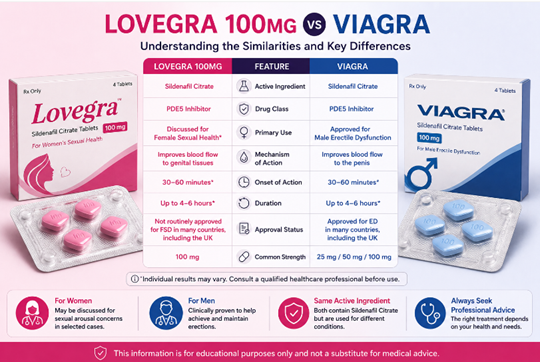
Lovegra 100mg vs Viagra
One of the most common questions is whether Lovegra is simply “Viagra for women.”
Both medicines contain sildenafil citrate, the same active ingredient, and both belong to the phosphodiesterase type-5 (PDE5) inhibitor class of medicines.
| Feature | Lovegra 100mg | Viagra |
| Active Ingredient | Sildenafil Citrate | Sildenafil Citrate |
| Drug Class | PDE5 Inhibitor | PDE5 Inhibitor |
| Form | Oral Tablet | Oral Tablet |
| Commonly Discussed For | Female Sexual Health* | Male Erectile Dysfunction |
| Mechanism | Improves blood flow | Improves blood flow |
Although the active ingredient is the same, the conditions being discussed are different.
Viagra has well-established clinical approval for erectile dysfunction in men, whereas sildenafil has not been routinely approved for treating female sexual dysfunction in many countries, including the UK. Research in women continues, but results have been mixed.
For this reason, treatment decisions should always be based on professional medical assessment rather than assumptions based on the active ingredient alone.
Lovegra vs Addyi (Flibanserin)
Another medicine often mentioned in discussions about female sexual health is Addyi (flibanserin).
Unlike sildenafil, which primarily affects blood flow, flibanserin works within the central nervous system by influencing neurotransmitters associated with sexual desire.
| Feature | Lovegra | Addyi (Flibanserin) |
| Primary Action | Blood flow support | Brain neurotransmitters |
| Typical Use | Investigated for female arousal disorders | Approved in some countries for selected women with hypoactive sexual desire disorder (HSDD) |
| Administration | Taken before anticipated sexual activity (depending on medical advice) | Taken daily |
| Primary Focus | Physical arousal | Sexual desire |
Because the medicines work differently, one should not be considered a substitute for the other without professional guidance.
Lovegra vs Vyleesi (Bremelanotide)
Some women may also hear about Vyleesi (bremelanotide), another treatment approved in certain countries for selected women with hypoactive sexual desire disorder.
Unlike sildenafil, Vyleesi works by activating receptors within the brain that are involved in sexual desire.
| Feature | Lovegra | Vyleesi |
| Active Mechanism | PDE5 inhibition | Melanocortin receptor agonist |
| Administration | Tablet | Injection |
| Main Focus | Blood flow | Sexual desire pathways |
| Routine UK Availability | Limited | Limited |
These medicines have different mechanisms and are intended for different clinical situations.
Lovegra vs Herbal Libido Supplements
Many herbal supplements claim to improve female libido, increase arousal, or enhance sexual performance.
Common ingredients may include:
- Maca root
- Ginseng
- Tribulus terrestris
- Ginkgo biloba
- Horny goat weed
While some of these ingredients have been studied, the quality of evidence varies considerably.
Unlike prescription medicines, many supplements are not evaluated to the same regulatory standards for effectiveness, safety, or consistency of ingredients.
Women considering herbal supplements should discuss them with their healthcare professional, particularly if they have underlying health conditions or take prescription medicines.
Understanding the Difference Between Desire and Arousal
One of the most important concepts in female sexual health is recognising that sexual desire and sexual arousal are not the same thing.
Sexual Desire
Desire refers to the interest or motivation to engage in sexual activity.
It is influenced by:
- Hormones
- Emotional wellbeing
- Relationship quality
- Stress
- Mental health
- Life circumstances
Sexual Arousal
Arousal refers to the body’s physical response to sexual stimulation.
This may involve:
- Increased genital blood flow
- Vaginal lubrication
- Increased sensitivity
- Physical readiness for intimacy
Because sildenafil primarily affects blood flow, it has been investigated more for physical arousal than for increasing sexual desire itself.
Choosing the Right Approach to Female Sexual Health
Managing female sexual health often requires a personalized approach.
Healthcare professionals may recommend one or more of the following depending on the underlying cause:
Lifestyle Changes
Healthy habits such as regular exercise, balanced nutrition, adequate sleep, and smoking cessation support general wellbeing and may positively influence sexual health.
Hormonal Assessment
For women experiencing menopause, hormonal changes, or endocrine disorders, hormonal evaluation may be appropriate.
Psychological Support
Stress, anxiety, depression, trauma, and relationship concerns frequently contribute to sexual difficulties.
Counselling or psychosexual therapy may provide significant benefits for some women.
Medication Review
Certain prescription medicines may contribute to reduced sexual desire or arousal.
Where appropriate, healthcare professionals may review current medication to determine whether alternatives are available.
Individualised Treatment Plans
Because female sexual dysfunction has many possible causes, management often combines education, lifestyle modification, emotional support, and medical treatment when appropriate.
Questions Women Frequently Ask
Is reduced sexual desire a normal part of ageing?
Changes in sexual function can occur with age, particularly around menopause, but persistent symptoms should not automatically be considered “normal.” Medical assessment can help identify treatable causes.
Can stress affect sexual wellbeing?
Yes.
Long-term stress influences hormone levels, mood, sleep quality, and emotional wellbeing, all of which may affect sexual desire and arousal.
Does improving physical health also improve sexual health?
For many women, improving cardiovascular fitness, maintaining a healthy weight, controlling diabetes, and reducing smoking and alcohol intake may contribute positively to sexual wellbeing.
Should I self-diagnose female sexual dysfunction?
No.
Female sexual health concerns can have numerous causes. Professional assessment helps identify the underlying reason before treatment decisions are made.
Advice from Our Medical Reviewer
Dr. Stephen Hugill – Medical Reviewer
“Female sexual health is influenced by far more than physical blood flow alone. Hormonal changes, emotional wellbeing, chronic health conditions, medications, and relationship factors all contribute to sexual function.
While sildenafil has been investigated in selected women, current evidence does not support its routine use for every form of female sexual dysfunction. The most appropriate treatment depends on identifying the underlying cause rather than focusing on symptoms alone.
Women experiencing persistent changes in sexual wellbeing should feel encouraged to discuss their concerns with a qualified healthcare professional. Early assessment often provides reassurance and may identify treatable medical conditions.”
Key Takeaways
Before considering Lovegra 100mg, remember these important points:
- Lovegra contains sildenafil citrate, a medicine that primarily works by improving blood flow.
- Female sexual dysfunction is complex and often has multiple contributing factors.
- Sildenafil is not routinely approved for female sexual dysfunction in many countries, including the UK.
- Hormonal health, emotional wellbeing, relationships, and overall physical health all play important roles in female sexual wellbeing.
- Professional medical assessment is the safest way to determine whether any treatment is appropriate.
- Lifestyle improvements and addressing underlying health conditions may be as important as medication for many women.
Understanding the underlying cause of sexual concerns allows healthcare professionals to recommend the most suitable, evidence-based approach for each individual.
Frequently Asked Questions (FAQs)
What is Lovegra 100mg used for?
Lovegra 100mg is a sildenafil citrate-based medicine that is commonly discussed in relation to female sexual health. It has been investigated for its potential role in supporting physical sexual arousal by improving blood flow to genital tissues. However, sildenafil is not routinely approved for the treatment of female sexual dysfunction in many countries, including the UK, and its suitability should always be assessed by a qualified healthcare professional.
Does Lovegra increase sexual desire?
Not necessarily.
Sildenafil primarily affects blood flow rather than emotional attraction or sexual desire (libido). Female sexual desire is influenced by many factors, including hormones, emotional wellbeing, relationships, stress, and overall health.
How does Lovegra work?
Lovegra contains sildenafil citrate, which belongs to a class of medicines called PDE5 inhibitors.
During sexual stimulation, sildenafil helps relax certain blood vessels, allowing improved blood flow to genital tissues. This mechanism has been studied as a possible way of supporting physical sexual arousal in selected women.
How long does Lovegra take to work?
Many people report that sildenafil begins working within approximately 30–60 minutes, although the exact timing varies depending on metabolism, food intake, and individual health factors.
How long do the effects last?
The effects of sildenafil are commonly reported to last for up to four to six hours. The duration varies between individuals and does not mean that physical arousal is continuous throughout this period.
Can Lovegra be taken after eating?
Yes. However, eating a heavy or high-fat meal beforehand may slow the absorption of sildenafil and delay its onset.
Can alcohol affect Lovegra?
Yes.
Excessive alcohol consumption may reduce sexual responsiveness and increase side effects such as dizziness or low blood pressure. Moderating alcohol intake is generally recommended.
Is Lovegra suitable for all women?
No.
Lovegra may not be appropriate for women with certain heart conditions, severe liver disease, uncontrolled blood pressure, or those taking nitrate-containing medicines. A healthcare professional should determine whether sildenafil is suitable based on an individual’s medical history.
Can menopausal women use Lovegra?
Some menopausal women may discuss sildenafil with their healthcare professional if they experience sexual concerns. However, treatment decisions depend on the underlying cause of symptoms, hormonal status, and overall health rather than age alone.
Can lifestyle changes improve female sexual wellbeing?
Yes.
Regular exercise, maintaining a healthy weight, eating a balanced diet, reducing stress, improving sleep, limiting alcohol, and stopping smoking may all contribute positively to sexual wellbeing.
Is Lovegra approved for female sexual dysfunction?
Approval status varies between countries.
In many countries, including the UK, sildenafil is not routinely approved for the treatment of female sexual dysfunction. Healthcare professionals may occasionally consider it in selected cases after careful assessment.
When should I speak to a healthcare professional?
You should seek professional advice if sexual concerns persist, develop suddenly, cause distress, or are associated with pain, hormonal changes, or other symptoms affecting your health and wellbeing.
Medical References
This educational guide has been developed using established clinical knowledge relating to female sexual health and sildenafil.
Readers seeking further information are encouraged to consult trusted medical resources, including:
- National Health Service (NHS) guidance on sexual health.
- National Institute for Health and Care Excellence (NICE).
- British Menopause Society.
- British Society for Sexual Medicine.
- Peer-reviewed medical literature on female sexual dysfunction and PDE5 inhibitors.
Clinical recommendations continue to evolve, and personalised medical advice should always be obtained from a qualified healthcare professional.
Related Articles
If you would like to learn more about sexual health and treatment options, you may also find these educational guides helpful:
- Understanding Female Sexual Dysfunction
- Lifestyle Factors That Influence Sexual Wellbeing
- Hormonal Changes and Women’s Sexual Health
- Sildenafil: How It Works
- Talking to Your Healthcare Professional About Sexual Concerns
Related Products
If you are researching sildenafil-based medicines or other sexual health treatments, you may also wish to explore:
- Kamagra 100mg
- Kamagra Gold
- Kamagra Oral Jelly
- Super Kamagra
- Cenforce 100mg
- Vidalista 20mg
About the Author
Editorial Team – CareKamagra
The CareKamagra Editorial Team creates evidence-informed educational content covering men’s and women’s sexual health. Every article is researched and written to help readers understand treatment options while encouraging informed discussions with qualified healthcare professionals.
Medical Reviewer
Dr. Stephen Hugill
Medical Reviewer – Sexual Health
Dr. Stephen Hugill reviews medical content published on CareKamagra to help ensure that information remains accurate, balanced, and aligned with current clinical understanding. His reviews focus on patient education, responsible communication, and evidence-based healthcare information.
Important Medical Disclaimer
The information provided on CareKamagra is intended for educational and informational purposes only. It should not be considered medical advice, diagnosis, or treatment recommendations.
Female sexual health concerns may arise from hormonal changes, chronic medical conditions, medication side effects, psychological factors, relationship issues, or other underlying causes. Only a qualified healthcare professional can determine the most appropriate course of treatment following an individual assessment.
Never begin, stop, or change any medication without professional medical advice. If you experience chest pain, severe dizziness, sudden vision or hearing changes, difficulty breathing, or any other serious symptoms, seek immediate medical attention.
Conclusion
Lovegra 100mg is a sildenafil citrate-based medicine that has been investigated for its potential role in female sexual health. While sildenafil may influence blood flow and has shown potential benefits in selected women, female sexual dysfunction is a complex condition that often involves physical, hormonal, psychological, and relationship-related factors.
No single medicine is appropriate for every individual. Understanding the underlying cause of symptoms, adopting healthy lifestyle habits, and seeking professional medical guidance are essential steps toward improving sexual wellbeing.
At CareKamagra, we are committed to providing balanced, evidence-informed educational resources that empower readers to make informed decisions and encourage meaningful conversations with qualified healthcare professionals about sexual health and available treatment options.


